Wiring That Supports How You Live Today
Residential Interior Wiring in Fresno for new builds, remodels, and panel upgrades that address outdated systems and growing electrical demand
D and K Electrical Construction completes residential interior wiring for homeowners throughout Fresno and the surrounding Central Valley, handling new construction, kitchen and bathroom remodels, panel upgrades, and circuit additions that bring your electrical system up to current code and capacity. You need this work when your breakers trip frequently, when you add appliances that exceed your panel rating, when you finish a garage or add a room, or when you buy a home with outdated wiring that creates safety concerns. The electricians who handle this work have decades of experience running wire through walls, sizing circuits correctly, and ensuring every connection meets code without shortcuts.
Residential wiring includes panel installation or replacement, circuit runs for outlets and lighting, dedicated circuits for appliances, GFCI and AFCI protection where required, and grounding system verification. The crew maps existing circuits, plans new runs to avoid conflicts, drills through studs and joists, pulls wire, makes connections, labels panels clearly, and tests every circuit before closing walls. In older Fresno homes, you may encounter knob-and-tube wiring, undersized panels, or aluminum wiring that requires replacement or specialized connectors to meet safety standards.
If your home needs updated wiring or additional circuits, contact D and K Electrical Construction to discuss your project and schedule work that fits your timeline.
Clean Work Practices and Code-Compliant Installations
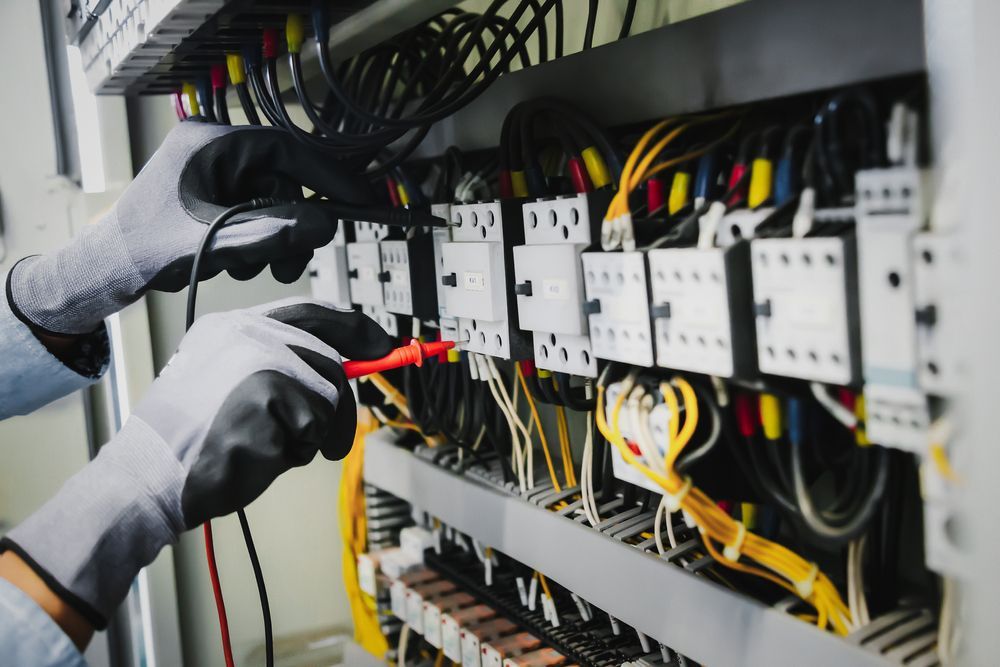
You will notice how a professional crew protects flooring, contains dust, labels circuits as they go, and leaves your home cleaner than many contractors do. The electricians use wire strippers, voltage testers, fish tapes, and drywall saws to complete installations without damaging finishes. Every connection is made inside a rated junction box, every wire is secured to framing, and every panel includes proper labeling so you know what each breaker controls.
After wiring is complete, you will have outlets that deliver stable power without dimming lights, breakers that handle load without tripping, and a panel with enough capacity to support future additions. Your kitchen appliances will run simultaneously without overloading circuits, your air conditioner will start without causing voltage sags, and your home will pass electrical inspection without requiring corrections. The system will function reliably for decades with only routine maintenance.
Typical wiring projects take anywhere from one day for a simple circuit addition to a week or more for whole-home rewires or large remodels. The crew coordinates with other trades to avoid scheduling conflicts, and they return to install devices and cover plates after drywall and paint are complete.
Questions Homeowners Ask About Interior Wiring
Residential wiring involves code requirements, load calculations, and installation methods that affect both safety and long-term performance, so it helps to understand what the work entails before you start a project.
What does a panel upgrade involve?
A panel upgrade replaces your existing electrical panel with a larger unit that has more circuit spaces and higher amperage capacity, often increasing service from 100 amps to 200 amps to support modern electrical loads including electric vehicle chargers and large appliances.
How do you know if your home needs rewiring?
Signs include frequent breaker trips, flickering lights, outlets that feel warm, a burning smell near the panel, or visible damage to wire insulation, with homes built before 1970 in Fresno often requiring partial or complete rewiring to meet current safety standards.
Why do some circuits require GFCI or AFCI protection?
GFCI devices prevent shock in wet locations like kitchens and bathrooms by detecting ground faults, while AFCI breakers prevent fires by detecting arcing faults in branch circuits, with both required by code in specific locations throughout your home.
What is the difference between 15-amp and 20-amp circuits?
A 15-amp circuit uses 14-gauge wire and supports up to 1,800 watts, suitable for lighting and general outlets, while a 20-amp circuit uses 12-gauge wire and supports up to 2,400 watts, required for kitchens, bathrooms, and dedicated appliance circuits.
When should you hire an electrician instead of doing wiring yourself?
Hire a licensed electrician for any work that involves the panel, runs new circuits, modifies existing circuits, or requires a permit and inspection, as improper wiring creates fire and shock hazards that far outweigh any cost savings from DIY work.
For safe, code-compliant residential wiring throughout the Central Valley, reach out to D and K Electrical Construction to schedule an evaluation or start your remodel with a team that respects your home and delivers lasting results.