Powerline Infrastructure Built for Safety and Reliability
Powerline Installation in Fresno for new developments, infrastructure upgrades, and system expansions requiring utility-grade construction
D and K Electrical Construction handles overhead and underground powerline installation across Fresno and the surrounding Central Valley, bringing decades of hands-on industry knowledge to utility and infrastructure projects. You need this work when your development requires utility service extension, when aging infrastructure no longer supports load demand, or when a new commercial site requires dedicated power feeds. The crews who handle this installation have worked on systems that span miles, not just building footprints, and they coordinate with utility providers to ensure every phase complies with safety standards and operational requirements.
Powerline installation involves site preparation, pole setting or trenching for underground runs, conductor stringing, tension adjustment, hardware mounting, and final system testing before energization. In the Central Valley, soil conditions and seasonal weather can affect timelines, so scheduling often accounts for ground stability and heat considerations during summer months. The difference between a properly installed powerline and one that fails under load is visible in how poles remain plumb under tension, how conductors maintain clearance, and how splice points hold integrity during wind events.
Reach out to discuss your project scope and timeline if you are planning infrastructure work in the Fresno area that requires utility-grade powerline construction.
Field Experience and Safety Standards on Every Installation
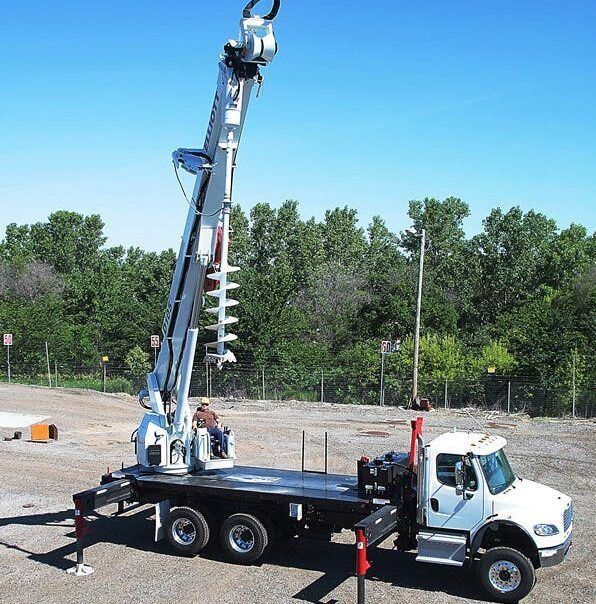
You will notice the difference in how a professional crew stages equipment, manages clearances, and coordinates each phase of installation to avoid delays. D and K Electrical Construction uses bucket trucks, tensioners, underground boring equipment, and testing instruments calibrated for powerline voltage ranges, ensuring that every run meets both utility and jurisdictional standards. The crew marks underground utilities before trenching, confirms pole depth and backfill density, and uses rated hardware for every connection point.
After installation is complete, you will see poles that remain stable under load, conductors that maintain proper sag and clearance, and connection points that show no signs of arcing or overheating. The system will pass utility inspection without requiring rework, and energization will proceed on schedule. Your infrastructure will support the electrical demand it was designed for, whether that means powering a housing development, a commercial complex, or an agricultural operation.
The installation timeline depends on project size, site access, and coordination with utility providers. Small extensions may take a few days, while larger developments can require weeks of phased work. Weather delays, permit approval, and equipment delivery all affect scheduling, so realistic timelines account for these variables rather than promising fixed dates that cannot be met.
Questions About Powerline Installation Work
Powerline installation requires coordination with utility companies, site preparation, and compliance with safety standards that go beyond typical electrical work, so it helps to understand what the process involves and how it fits your project timeline.
What is the difference between overhead and underground powerline installation?
Overhead installation involves setting poles, stringing conductors, and mounting hardware above ground, while underground work requires trenching or boring, conduit placement, and cable pulling below grade, with underground systems offering better storm protection but higher upfront costs.
How long does a typical powerline installation take in Fresno?
Timeline depends on project scope, but a small extension might take three to five days, while a larger development could require several weeks of phased work, with scheduling affected by permits, utility coordination, and weather conditions common to the Central Valley.
Why do some powerline projects require utility company approval before work begins?
Utility providers must approve connection points, verify system capacity, and ensure that new infrastructure integrates safely with existing grid operations, so coordination with the utility happens early in the planning process to avoid delays.
What safety standards apply to powerline construction?
All work follows National Electrical Safety Code requirements, OSHA regulations for aerial and trench work, and utility-specific standards for clearances, grounding, and equipment ratings, with inspections required before energization.
When should you plan powerline installation for a new development?
Schedule powerline work after site grading is complete and before building construction requires power, allowing time for permit approval, utility coordination, and any weather-related delays that could affect installation in Fresno during winter or peak summer heat.
If your project timeline depends on reliable powerline infrastructure, contact D and K Electrical Construction to review site conditions, utility requirements, and scheduling that fits your development plans across the Central Valley.